

Shoes fabric is a critical component in modern footwear design, influencing comfort, durability, breathability, and aesthetic appeal. Selecting the right material is essential for both manufacturers and consumers who demand performance and long-lasting quality. Shoes fabrics can range from natural fibers like cotton and leather to advanced synthetic materials such as polyester, nylon, and mesh composites.
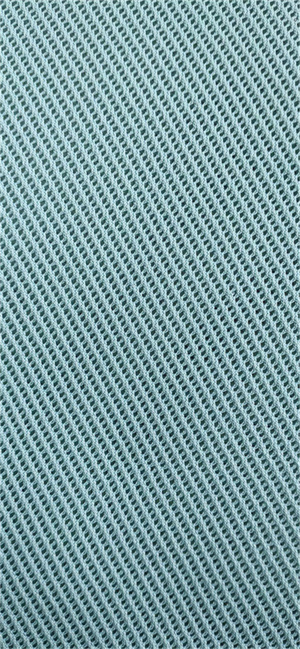
In professional footwear production, the fabric’s specifications directly affect the shoe’s functionality and wear life. The following table summarizes key parameters of commonly used shoes fabrics:
| Fabric Type | Weight (g/m²) | Thickness (mm) | Breathability | Durability | Common Applications | Color Options |
|---|---|---|---|---|---|---|
| Mesh | 120-250 | 0.8-1.5 | High | Medium | Athletic shoes, sneakers | Custom dyeing |
| Polyester | 150-300 | 1.0-2.0 | Medium | High | Sports, casual shoes | Wide color range |
| Cotton Canvas | 200-350 | 1.2-2.5 | High | Medium | Casual shoes, slip-ons | Natural shades + dyeing |
| Leather Fabric | 400-600 | 1.5-3.0 | Low | Very High | Dress shoes, boots | Standard leather colors |
| Knit Fabric | 180-280 | 0.7-1.8 | High | Medium | Sneakers, sports shoes | Custom patterns |
This table highlights essential technical specifications that impact performance, including weight, thickness, breathability, durability, and application suitability. Manufacturers rely on these parameters to select materials that meet design requirements while ensuring comfort, longevity, and aesthetic appeal.
The selection of shoes fabric has a direct influence on key performance metrics such as flexibility, weight, moisture management, and thermal regulation. Lightweight fabrics like mesh and knit materials are favored in athletic footwear due to their high breathability and flexibility. Conversely, dense fabrics like leather and thick polyester offer superior durability and resistance to wear, making them suitable for outdoor, dress, or heavy-duty work shoes.
Key Considerations in Fabric Selection:
Breathability vs. Durability: High breathability improves comfort during prolonged use but may compromise durability. Mesh fabrics allow airflow but are more prone to tearing, whereas leather provides long-lasting strength at the cost of ventilation.
Moisture Management: Fabrics with moisture-wicking properties, such as polyester blends, help prevent bacterial growth and odor formation inside the shoe.
Flexibility and Weight: Knit fabrics offer a sock-like fit and flexibility, reducing fatigue during sports or long walks. Heavy fabrics, while durable, increase shoe weight, affecting speed and mobility in performance shoes.
Aesthetic Versatility: Modern footwear design often combines multiple fabric types to balance visual appeal and functionality. For instance, a shoe may have a leather toe for structure, mesh panels for breathability, and knit overlays for style.
Proper care extends the lifespan of shoes and maintains their appearance. Different fabrics require specific maintenance routines:
Maintenance Tips:
Mesh Fabric: Hand wash with mild detergent; avoid high-temperature drying. Regularly inspect for loose threads or fraying.
Leather: Clean with a damp cloth and apply leather conditioner to prevent cracking. Avoid prolonged exposure to moisture.
Cotton Canvas: Machine washable, but air drying is recommended to prevent shrinkage. Use protective sprays to enhance water resistance.
Polyester: Wipe clean with a damp cloth; can withstand machine washing depending on the shoe construction.
Knit Fabric: Gentle hand wash recommended; avoid stretching to retain original shape.
FAQ 1:
Question: Can synthetic fabrics replace leather in high-end shoes?
Answer: Modern synthetic fabrics can mimic the appearance and durability of leather while offering lighter weight and improved moisture management. However, true leather retains unmatched breathability, flexibility, and premium tactile feel. Synthetic alternatives are often used in casual and athletic shoes where performance is prioritized over traditional aesthetics.
FAQ 2:
Question: How does fabric layering improve shoe performance?
Answer: Layering allows combining materials with complementary properties. For instance, an outer polyester layer offers durability, a mesh middle layer enhances breathability, and an inner knit layer improves comfort. This multi-layer design maximizes overall performance without compromising any single attribute.
Sustainability, performance optimization, and innovative textiles will drive future developments in footwear materials. The following trends are emerging:
Eco-Friendly Materials: Biodegradable fabrics, recycled polyester, and plant-based fibers are gaining popularity. Manufacturers are reducing reliance on non-renewable sources to meet global sustainability standards.
Smart Fabrics: Integration of moisture sensors, temperature-regulating fibers, and antimicrobial treatments will allow shoes to adapt to environmental and physical conditions.
3D Knitting Technology: Seamless, fully knitted shoes are increasingly produced with precision, reducing material waste and enhancing comfort.
Hybrid Composites: Combining natural and synthetic fibers in innovative ways will create shoes that offer superior durability, breathability, and style.
These advancements will influence the design, production, and functionality of footwear. Shoe brands adopting forward-looking fabrics will achieve a competitive edge, appealing to performance-oriented and environmentally conscious consumers.
Choosing the right shoes fabric requires balancing performance, aesthetics, and cost considerations. A systematic evaluation should consider the following:
Purpose: Athletic, casual, or dress shoes require distinct fabric properties. Sports shoes prioritize lightweight and breathable fabrics, while formal shoes value elegance and durability.
Comfort Requirements: Breathability, flexibility, and cushioning compatibility impact overall foot comfort.
Environmental Conditions: Outdoor or industrial footwear needs water-resistant, abrasion-resistant, and temperature-tolerant fabrics.
Maintenance Convenience: Fabrics that are easy to clean and maintain can extend shoe lifespan, especially for daily use.
When selecting fabrics, it is advisable to consult suppliers with expertise in textile properties and applications. High-quality materials ensure the final footwear product meets both user expectations and industry standards.
Brand Mention and CTA:
Jinjiang Changwang offers a comprehensive range of high-performance shoes fabrics designed for diverse applications, from athletic footwear to premium dress shoes. By leveraging extensive industry experience and quality-controlled materials, Jinjiang Changwang supports manufacturers in creating shoes that meet rigorous standards of comfort, durability, and style. For inquiries or detailed product specifications, contact us today to discuss the ideal shoes fabric solutions tailored to your production needs.


